Surroundings

Spoleto


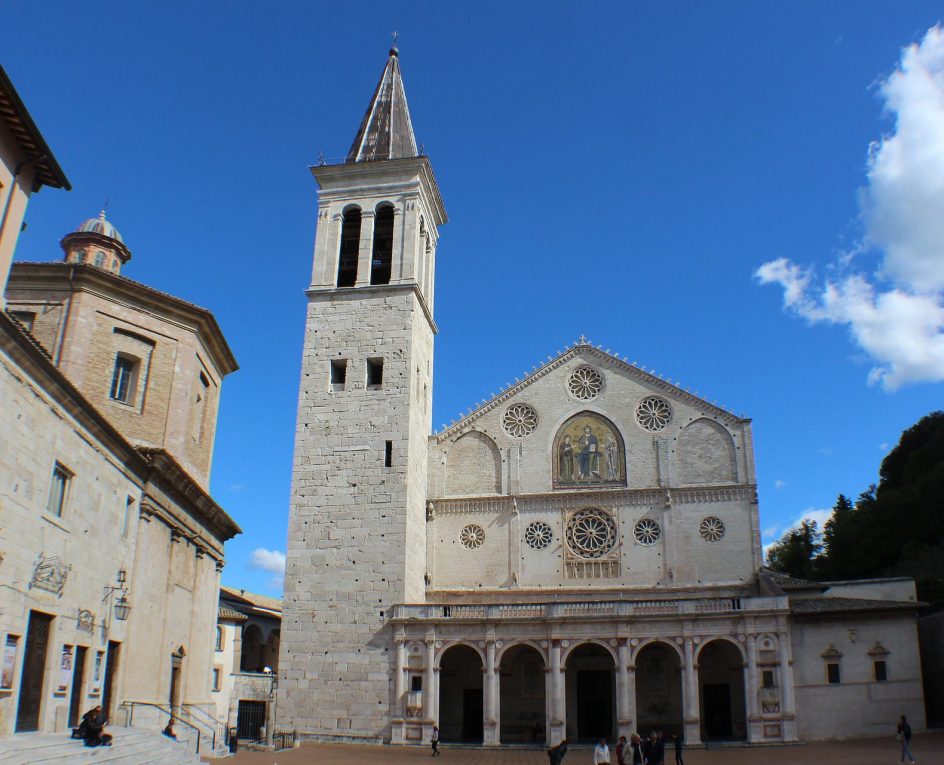
Spoleto is one of the oldest cities in Umbria, boasting over 2,500 years of history.

Its founders were the Huns, but the city’s prosperity came only with the Roman Empire. In fact, it became a Roman colony in 241 BC, known by the name of Spoletium.

Walking through the historic centre, you can immerse yourself in the atmosphere of the Roman Empire by visiting the Roman Theatre, dating back to the 1st century AD, or by passing through the Arch of Drusus and Germanicus, built in 23 AD. Still in the city centre, you can also visit the Roman House, attributed to the mother of Emperor Vespasian, Vespasia Polla.


Distance: 10.6 km
Travel time: 15 minutes
umbria-3686924_1920 (1)
assisi-2920130_1920 (1)

Assisi

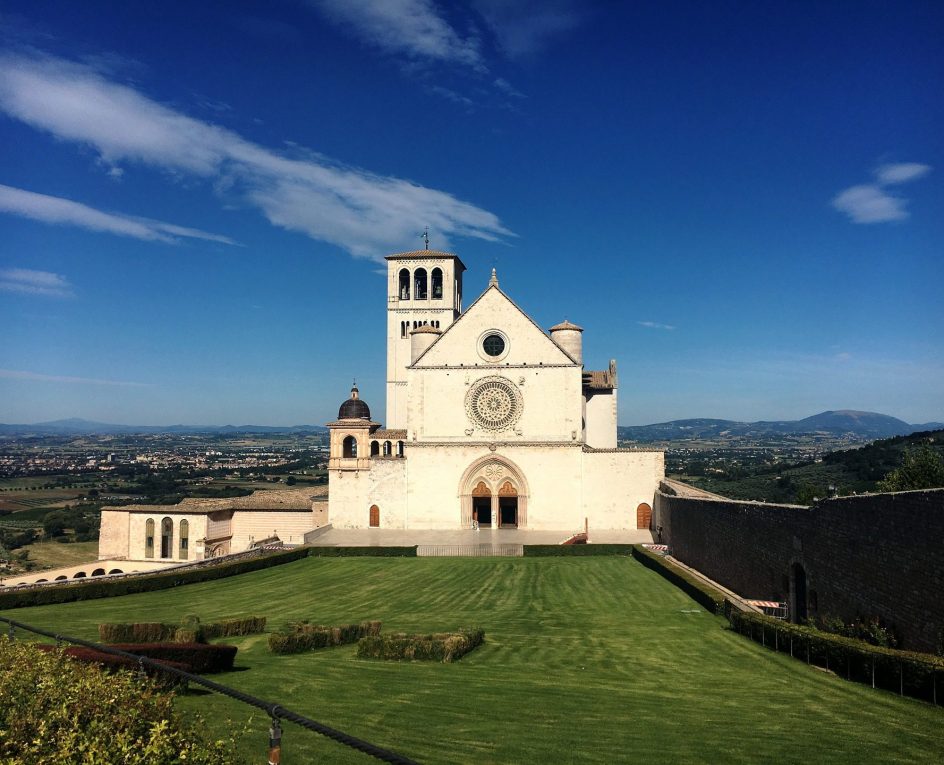
Assisi is a beautiful town in the province of Perugia, very well known as the birthplace of Saint Francis and Saint Clare.

A beautiful medieval town, which has remained intact for centuries and is still protected today by city walls, built on a spur of Mount Subasio. It is still not entirely clear where the name Assisi comes from: perhaps from “Assium”, or perhaps from the name of an animal, meaning that its name would signify “city of the falcon”.

The city was already inhabited in pre-Roman times, as shown by the remains of a sanctuary with small bronze statues. Around 295 BC, the city came under Roman rule, as demonstrated by the remains of the Temple of Minerva, located next to the town’s main square. The forum is also beautiful; it lies beneath the square and can be visited through the Archaeological Museum.

Distance: 40.5 km
Travel time: 33 minutes

Montefalco

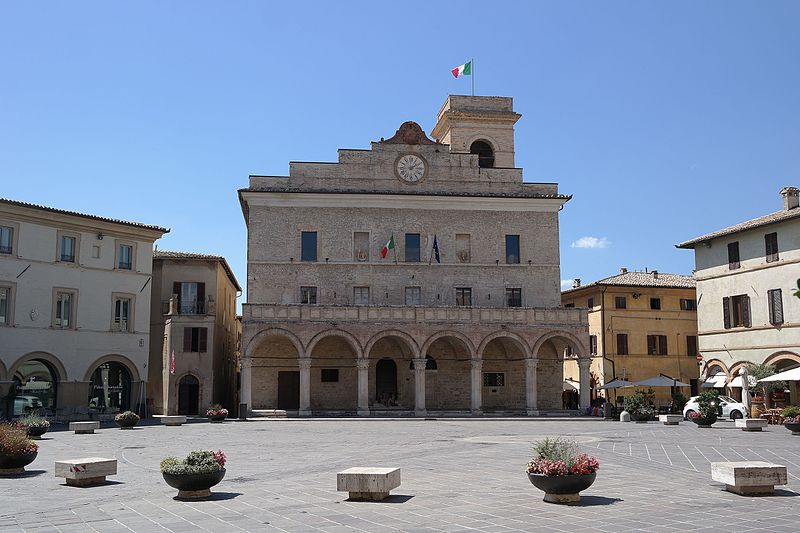
The city was inhabited in ancient times by Umbrian peoples and was probably also influenced by the Etruscans. It was later brought under Roman rule, and many patrician villas were built there. This can still be seen today in local place names such as Camiano, Rignano, Cortignano, Vecciano, and others, which derive from the names of patrician families, with the addition of the suffix “-anus”.

In Roman times, the area was part of the nearby municipality of Mevania. Evidence of the Roman period remains in numerous funerary stones and other artefacts that can still be admired in the Museum of San Francesco and in the cloister of the Church of San Fortunato.

There are also, in the locality of Mura Saracene near Pietrauta, on top of a hill overlooking the plain below, the remains of a Roman villa, from which two funerary stones were recovered. These can now be admired in the nearby locality of San Marco.


Distance: 13.3 km
Travel time: 16 minutes

umbria-3725921_1920

Perugia

Perugia, founded by the Etruscans, is the capital of Umbria. A celebrated city of art, rich in history and monuments, it is an important cultural and economic centre and a popular destination for many tourists and students. Today, it offers Etruscan monuments, medieval squares, and Baroque palaces.

In addition, the Umbria Jazz Festival is held here every year, a music festival famous throughout Europe, which attracts visitors from all over the world each year.

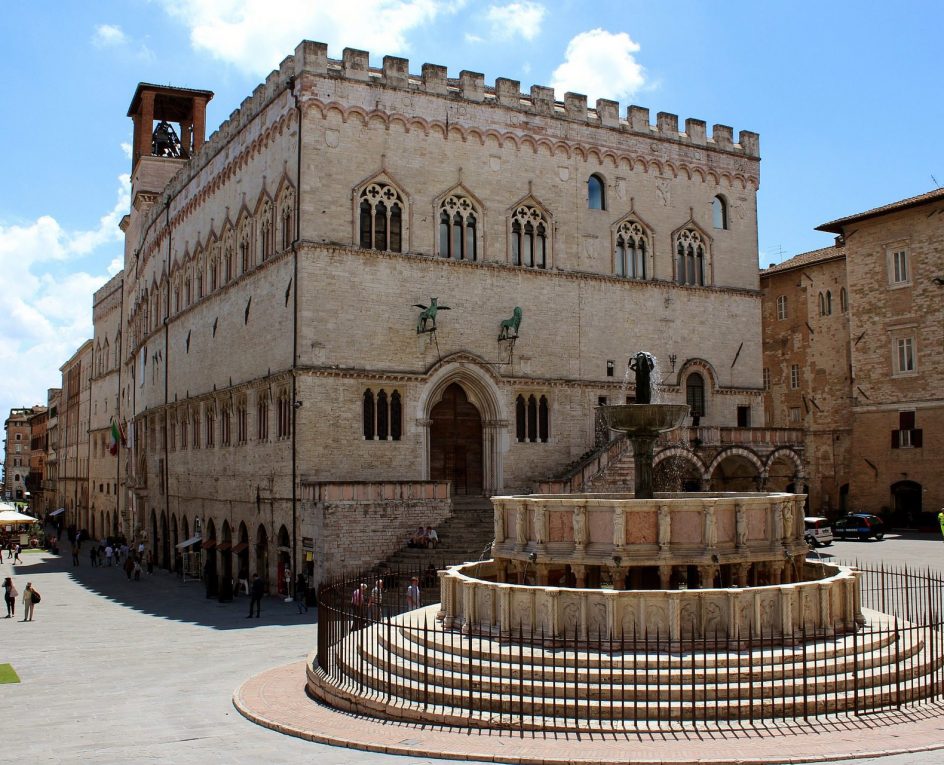
The historic centre is crossed by many narrow streets, where you can admire interesting historical monuments such as the Etruscan Arch, built in the 3rd century BC, the Fontana Maggiore, and the Palazzo dei Priori, which houses the National Gallery of Umbria.


Distance: 57,2 km
Travel time: 46 minutes

Request information